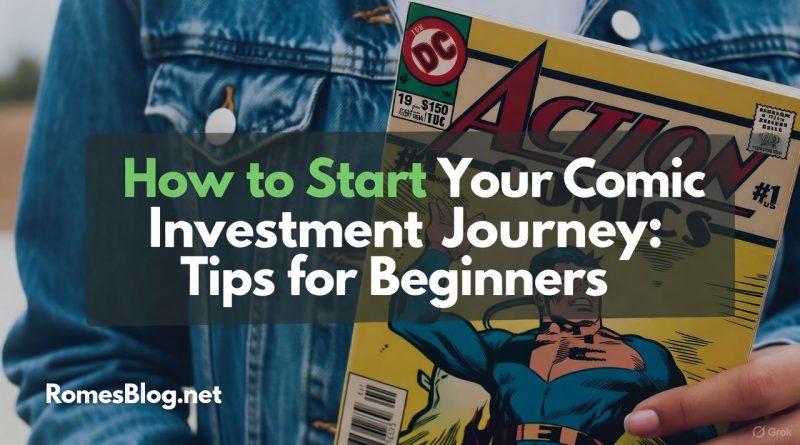
How to Start Your Comic Book Investment Journey: Tips for Beginners
Comic books aren’t just for entertainment, they’re also a growing asset class for collectors and investors alike. From vintage Marvel and DC classics to modern limited editions, comic books can appreciate significantly over time, especially when properly preserved and graded.
If you’ve ever wondered how to start investing in comic books, this beginner’s guide will help you take your first steps with confidence. Whether you’re a lifelong fan looking to turn your collection into a profitable hobby or an investor diversifying into alternative assets, this guide covers everything you need to know to begin your comic book investment journey.
Step 1: Understand Why Comic Books Can Be Valuable
Before diving in, it’s important to understand what makes comic books valuable. Not all comics are worth a fortune, but certain factors can drive their value:
- Rarity: The fewer copies that exist in good condition, the more valuable the comic.
- First Appearances: Debuts of iconic characters like Spider-Man or Wolverine often skyrocket in demand.
- Condition (Grade): Comics graded higher on the CGC scale (Certified Guaranty Company) can command premium prices.
- Historical or Cultural Significance: Comics that mark milestones, such as first editions, major story arcs, or key crossovers—are often collectible.
For example, Amazing Fantasy #15 (the first appearance of Spider-Man) sold for over $3 million in near-mint condition. While not every comic will reach those heights, knowing what drives value helps you invest wisely.
Step 2: Start With Research
Like any investment, knowledge is your most valuable tool. Begin by learning about the history of comics, major publishers, and key eras such as:
- Golden Age (1938–1956): The birth of superheroes like Superman and Batman.
- Silver Age (1956–1970): The rise of Marvel heroes such as Spider-Man and the Fantastic Four.
- Bronze Age (1970–1985): Grittier stories and social themes.
- Modern Age (1985–Present): Rare variant covers, indie publishers, and digital comics.
Use resources like GoCollect, ComicBookRealm, and eBay’s sold listings to track real market prices and trends. Following forums and YouTube channels dedicated to comic investing can also give you real-world insights from seasoned collectors.
Step 3: Set Your Budget and Goals
Comic book investing doesn’t require millions to start. You can begin with as little as $100–$500 by focusing on undervalued comics or modern keys that have long-term potential.
Ask yourself:
- Am I investing for short-term flips or long-term appreciation?
- How much am I willing to spend each month?
- Am I collecting for enjoyment or purely for profit?
For most beginners, a balanced approach works best, buy comics you love but that also hold future investment potential.
Step 4: Learn About Comic Grading
Comic grading is crucial in determining a comic’s market value. Professional grading services like CGC (Certified Guaranty Company) and CBCS (Comic Book Certification Service) assign comics a score from 0.5 (Poor) to 10.0 (Gem Mint) based on condition.
Grading considers factors such as:
- Page quality (white vs. yellowed pages)
- Spine creases or tears
- Color vibrancy
- Cover gloss and alignment
Higher-graded comics can be worth several times more than ungraded copies. For beginners, it’s wise to buy graded comics (CGC slabs) since they’re authenticated and easier to resell.
Step 5: Buy Smart — Where to Find Investment Comics
There are several reliable places to buy comics, each with its pros and cons:
- Comic Shops and Conventions: Great for browsing, negotiating prices, and meeting other collectors.
- Online Marketplaces: eBay, Whatnot, and Heritage Auctions are popular platforms. Always check seller feedback and condition photos.
- Social Media Groups: Facebook and Reddit have active comic trading communities, though you must be cautious and verify credibility.
When buying online, focus on key issues and avoid overpriced hype comics. Research recent sales to ensure you’re paying fair market value.
Step 6: Preserve and Store Your Collection
Proper storage can make or break your investment. Comic books are delicate, and their value depends heavily on condition. Follow these storage tips:
- Use acid-free bags and boards to prevent yellowing and damage.
- Store comics in a cool, dry environment away from sunlight.
- Keep graded comics upright in protective cases or short boxes.
- Avoid excessive handling—finger oils can degrade pages over time.
If you’re investing seriously, consider insurance for collectibles to protect against theft, fire, or water damage.
Step 7: Diversify Your Comic Portfolio
Just like stocks, diversification reduces risk. Don’t put all your money into one character or series. Instead, build a balanced collection that includes:
- Blue-chip keys: Classic issues like Amazing Spider-Man #300 or Incredible Hulk #181.
- Modern keys: First appearances or limited print runs with future potential.
- Indie comics: Publishers like Image or Boom! Studios can produce breakout hits.
By spreading your investments across different categories and eras, you’ll have a more stable portfolio that can withstand market fluctuations.
Step 8: Track, Reassess, and Stay Updated
The comic book market is constantly evolving. Use apps like CovrPrice or CLZ Comics to track your collection’s value and monitor trends.
Stay updated on upcoming movies, shows, and reboots, they often cause spikes in comic prices. For instance, the announcement of a new Marvel movie can send the value of related first appearances soaring overnight.
Reassess your collection every few months and decide whether to hold, sell, or trade based on market demand and your goals.
Conclusion: Invest with Passion and Patience
Comic book investing blends nostalgia, art appreciation, and financial strategy. While it takes time to learn the market, your passion can become a rewarding and profitable venture with the right approach.
Start small, do your research, and always buy what you love, because even if the market fluctuates, your enjoyment of the hobby remains priceless. So grab that first issue, protect it well, and begin your comic book investment journey today.